



How Can Transport Infrastructures Take On a New Lease of Life?
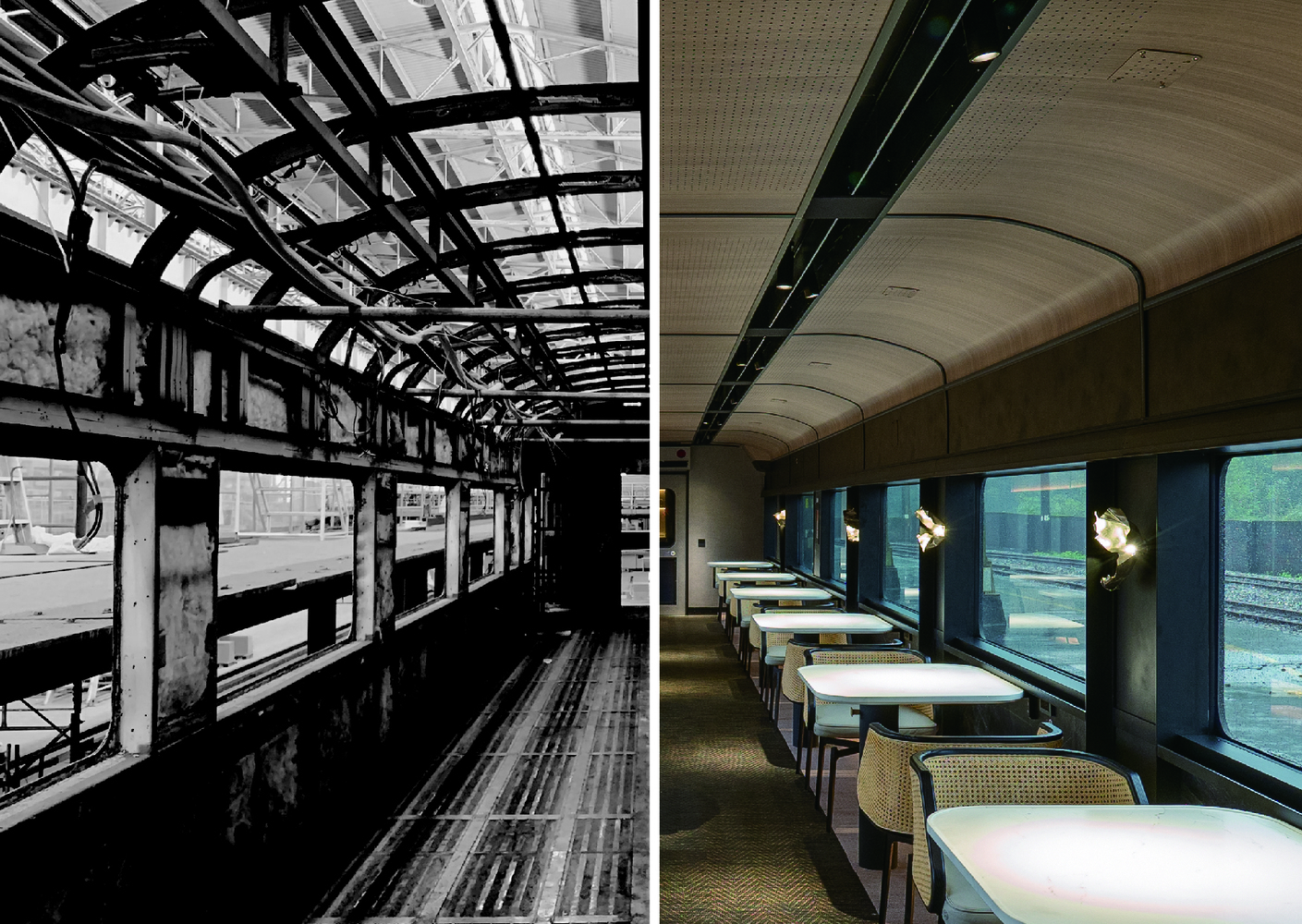 Picture: Kuomin Lee
Written by Agustina Iñiguez
Faced with the combined forces of population growth, economic prosperity, and urban expansion, cities are witnessing a significant rise in the movement of people and goods—mirroring the evolution of diverse mobility systems within urban environments. As technologies advance and modes of transport evolve, the adaptive reuse of train carriages, airplane cabins, and other service infrastructures reveals opportunities to explore their creative potential. Materials, technologies, and design tools converge around a shared goal: refurbishing and repurposing disused structures to give them new life.
Cities serve as the main hubs of economic activity and social development on regional, national, and global scales. Trains, subways, buses, airplanes, ships, and other modes of transport shape the everyday rhythm of urban life. According to the Sustainable Development Goals Report 2023, only 51.6% of the world’s urban population has convenient access to public transportation, reflecting major disparities in the quality and availability of transport infrastructure across regions, countries, and even within cities themselves. Regardless of their systems, mechanisms, or circulation methods, all forms of transport are part of a complex network involving multiple stakeholders from various disciplines. In line with the idea of “building less,” many architects and urban planners are now focusing on reimagining and transforming existing structures—often neglected or obsolete—into spaces with renewed purpose and potential for adaptation.
Comments :